
 Veena
Finding the right foundation for dry skin is mostly about hydration and texture. A formula that looks flawless on an oily face can cling to dry patches, highlight flakes and fade into lines by lunchtime. The fix is not a single magic bottle but a combination of skin prep, a hydrating formula and a soft touch with application. This guide explains what to look for on the label, how to prep the skin, and how to apply foundation so it looks like skin and not paint.
Table of Contents
Why foundation looks patchy on dry skin
Dry skin lacks water and often oil, so the surface becomes uneven. Foundation then settles into dry spots, around the nose and on the cheeks, and shows every flake. Matte, powdery or long-wear formulas make this worse because they are designed to absorb moisture and oil, which is exactly what dry skin cannot spare.
Climate, indoor heating, hot showers and harsh cleansers all contribute. Treating the skin with some care often improves makeup more than switching products does.
What to look for in a foundation for dry skin
Check the finish first. Dewy, radiant, satin and skin-tint formulas usually sit better on dry skin than fully matte ones. Next, scan the ingredients for hydrating agents such as glycerin and hyaluronic acid, which help hold water at the surface, or nourishing oils and squalane. Avoid heavy alcohol near the top of the ingredient list if your skin is easily irritated.
Coverage also matters. A sheer or medium coverage base looks more natural, while full coverage can emphasise texture. If you need more coverage on specific areas, build it with a small amount of concealer rather than layering foundation across the whole face.
Types that tend to suit dry skin:
- Liquid foundations with a dewy or satin finish.
- Tinted moisturisers and skin tints for light coverage.
- Cream foundations, which are rich and blend well with fingers or a sponge.
- Serum foundations that combine skincare and colour.
I’d pick a shade by testing three stripes along the jaw and walking to a window. The one that disappears into the neck in daylight is the right match, and I’d choose it over a shade that looks perfect under shop lights.
Prep your skin before foundation
A routine for dry skin begins well before makeup. Cleanse with a gentle, non-foaming cleanser, then apply a moisturiser while the face is still slightly damp. The American Academy of Dermatology offers guidance on how to pick a moisturizer for dry skin, and it is worth reading before building a routine.
Leave a few minutes for the moisturiser to absorb. If a night product is part of your routine, the roundup of facial night creams can help in choosing one, and the Dot & Key moisturizer review shows how one product behaved over time. A light facial oil or hydrating primer on top can smooth the surface further.
Gentle exfoliation once or twice a week helps remove flakes, but over-scrubbing backfires. Peel-off masks, such as the ones in the Everyuth peel-off masks post, can feel drying on skin that is already tight, so I’d patch test first and use them sparingly.
How to apply foundation on dry skin
Application technique matters as much as the product. Use less than you think you need.
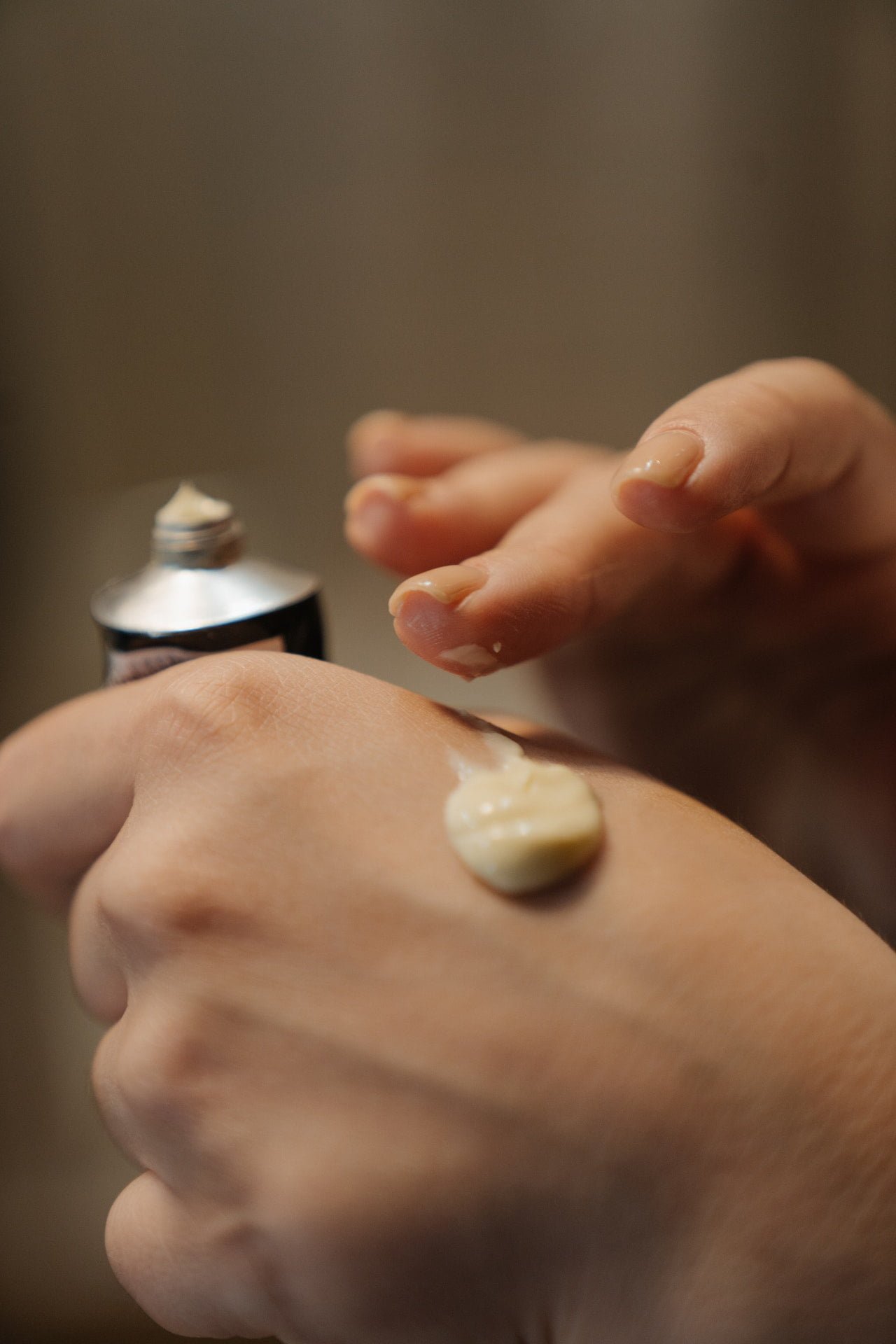
- Start with a pea-sized amount and warm it on the back of the hand.
- Press, rather than rub, the foundation into the skin with a damp sponge or clean fingers.
- Concentrate on the centre of the face and blend outward, leaving the edges lightly covered.
- Add concealer only where needed, then press it in with a fingertip.
- Skip setting powder, or use a small amount only on the areas that shine.
A hydrating mist applied after makeup helps melt layers together. For colour on the cheeks, a cream or liquid blush keeps the glow consistent.
A little patience helps, and I’d stress it here: letting each layer settle for a minute before adding the next prevents most patchiness.
Mistakes to avoid
Skipping moisturiser because the foundation claims to hydrate is the most common mistake. Piling on powder to hide flakes is the second, since it often makes them more visible. Using a dense brush with too much product, and applying foundation straight onto unprepared skin, also lead to cakey results.
Another trap is chasing the wrong shade in winter. Skin tone can change with the seasons, so test the colour on the jaw in daylight before buying.
Frequently asked questions
Can I use powder foundation on dry skin?
It is possible, but most people find liquid and cream formulas easier. If you prefer powder, choose a finely milled, hydrating version and apply it with a soft brush.
Does foundation make dry skin worse?
A well-chosen formula with proper skin prep should not. Persistent redness, itching or peeling is worth showing a doctor.
How do I stop foundation from clinging to flakes?
Moisturise, exfoliate gently, and press the foundation on rather than dragging it across the face.