
 Veena
The prairie dress has moved from old photographs to everyday wardrobes, and it looks set to stay. Think high necklines, long sleeves, soft gathers and a flowing skirt, usually in small prints or plain pastels. It is a style that suits many body types because the shape floats rather than clings. This guide explains where the look comes from, what to check before buying, and how to wear it without feeling like a costume.
Table of Contents
Where the prairie dress comes from
A prairie dress is a modest, loose-fitting style with a full skirt, and the name points to the clothing of women in the American West during the nineteenth century. Over time the look returned in waves: it was revived in the 1970s with ruffled, lace-trimmed designs, and it came back again as part of the cottagecore aesthetic, which celebrates rural life and handmade charm. The background of the dress is covered in the overview of the prairie dress.
That history explains why the style feels familiar and a little romantic at the same time.
What makes a dress a prairie dress
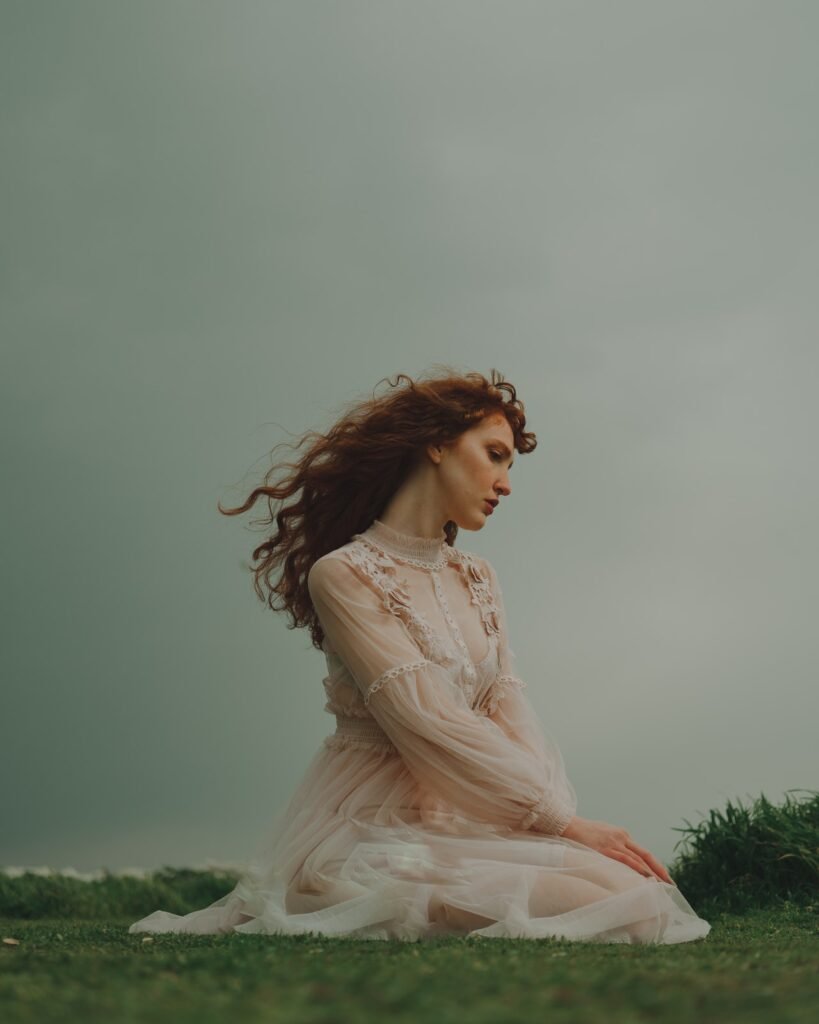
Several features show up again and again. The bodice is fitted lightly and often finishes with a square or round neckline. Sleeves are long or puffed, with gathered cuffs. The skirt is tiered or gathered and falls anywhere from the knee to the ankle. Trims such as lace edging, buttons, ribbon ties and smocking add to the character.
Prints are usually small, such as ditsy florals, tiny checks or gingham, though solid colours work well in modern versions. For a closer look at specific pieces, see the picks in the guide to the best prairie dress options.
In my view, the sleeve is the detail that matters most. A puffed sleeve with a neat cuff signals the style at once, so the rest of the dress can stay simple. If the sleeves are wrong, no amount of accessorising rescues the look.

How to choose the right fit and fabric
Fabric changes how the dress behaves more than almost anything else. Cotton and cotton blends hold shape and breathe in warm weather, while viscose drapes more softly. Heavier cotton poplin gives structure, and a light lining prevents see-through patches in pale shades.
On fit, I’d start with the waist. A defined or gathered waist keeps a full skirt from swallowing a petite frame, while a more relaxed cut suits anyone who prefers an easy silhouette. If sleeves feel tight at the elbow when you bend your arm, size up, because there is little stretch in woven fabrics.
I’d also check the hem before the bodice. A prairie skirt that is too long hides shoes and drags on wet pavement, and fixing a hem costs less than replacing a dress that never feels right. Pockets are worth looking for too, since many full skirts hide them in the side seams.
Ways to style a prairie dress
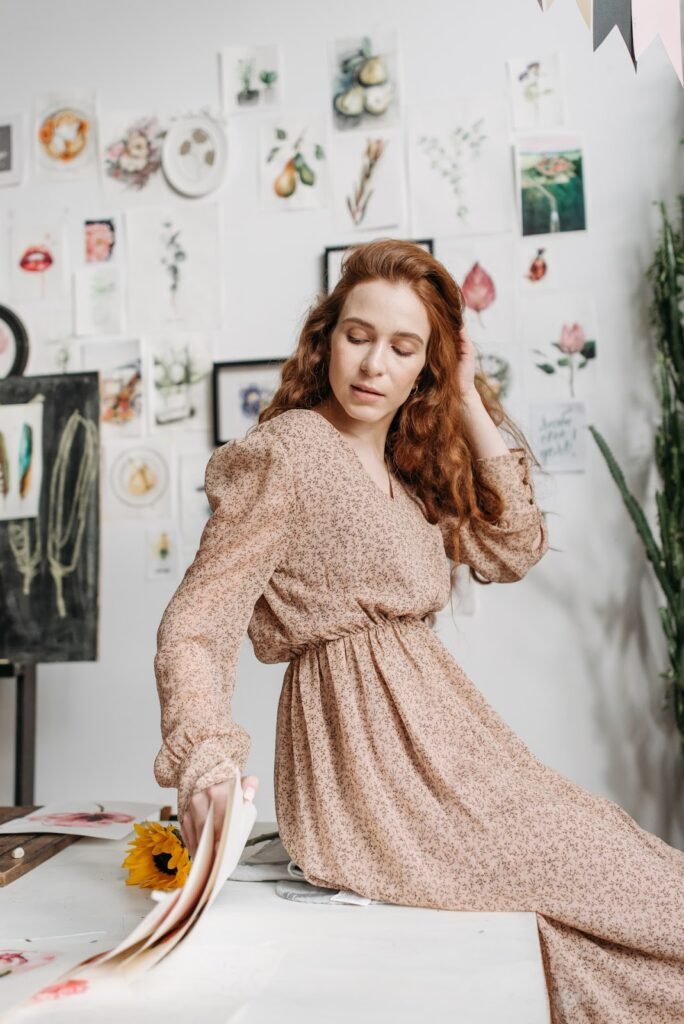
The simplest approach is to let the dress carry the outfit and keep everything else plain. For daytime, pair it with flat sandals or white sneakers and a straw bag. For cooler weather, add a denim or knit cardigan and ankle boots. A leather belt can pull in a loose waist, and a tailored blazer sharpens the romantic shape.
For evenings, switch to block heels, a small clutch and slim jewellery. Skip heavy statement necklaces, since the neckline and ruffles already do the work. More ideas for this season and others appear in the must-have dresses collection.
Shoes decide the mood. I’d reach for flat sandals in heat, lace-up boots in cooler months and a loafer for the office, and I’d keep bag colours within the dress palette.
Seasonal outfit ideas
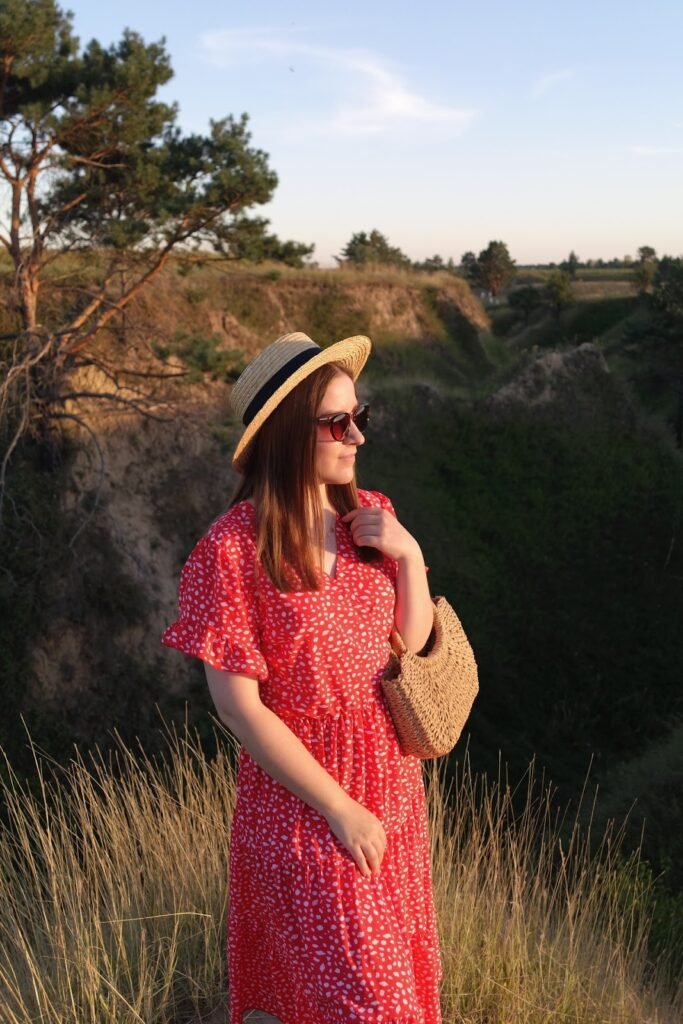
In spring and summer, a short-sleeved cotton version in a light print works for work lunches, picnics or travel. Autumn calls for deeper tones like rust, olive and plum, layered with a long coat. In winter, a thick tights-and-boots combination under a midi hem keeps the style going, and a wool wrap covers the shoulders. If a lighter option appeals, the notes on a natural dress for summer pair neatly with this look.
Common mistakes to avoid
The first is going all in with every vintage detail at once, which can tip the outfit into costume territory. Pick one standout feature, such as puffed sleeves or lace trim, and keep the rest quiet. The second is hem length: a skirt that lands at an awkward spot on the calf can shorten the leg, so test a few lengths in front of a mirror. Third, avoid stiff, shiny fabrics, which fight the soft shape the style depends on.
Frequently asked questions
Is the prairie dress still in style?
Yes. It keeps returning because the shape is comfortable and easy to dress up or down, and small updates in fabric and length keep it current.
Who can wear a prairie dress?
Most people can. Choose a fitted waist if you want definition, a lighter fabric if you run warm, and a hem you feel good walking in.
How do I keep a prairie dress from looking childish?
Choose solid or muted prints, limit the ruffles, and pair the dress with grown-up accessories such as structured bags and leather shoes.