
 Veena
Learning how to curl your hair takes less skill than most tutorials suggest, but it does take the right method for your hair type and a little prep. Curls can be loose waves for a casual day or tight spirals for a party, and the tool you choose changes the shape and the strain on your strands. This guide covers four reliable methods, from a curling iron to simple no-heat options, plus the prep, hold and damage-control steps that make the result last.
Table of Contents
Prep your hair before you curl
Good curls start with clean, completely dry hair. Curling damp hair with a hot tool turns water into steam inside the strand, which weakens it. Blow-dry fully, or let the hair dry naturally, before reaching for an iron.
Apply a heat protectant spray from mid-length to ends, then comb through to spread it evenly. Fine hair does better with a light mousse for grip, while thick or coarse hair responds to a smoothing cream. Divide the hair into manageable sections and clip the top layers out of the way so each lock gets even heat.
I’d always section the hair into at least four parts, even for a quick job. It feels slower at first, but it prevents the half-curled, half-flat look that comes from grabbing hair at random.
Method 1: curling iron or wand
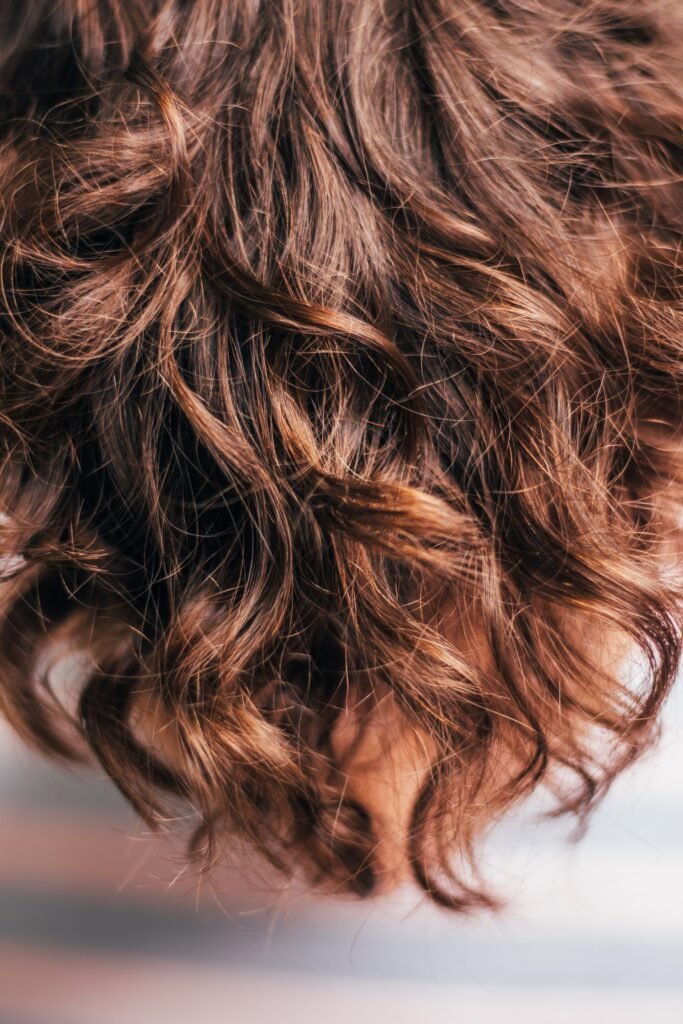
This is the classic route, and it gives the most defined curl. Pick a barrel size by the result you want: a wide barrel for loose waves, a narrow one for tighter curls. Take a section about an inch wide, wrap it around the barrel away from the face, and hold for a few seconds. Release the curl gently into your hand and let it cool before touching it.
Alternate the direction of the wrap from one section to the next for a natural, less uniform look. A wand with no clamp makes this easier, and I’d suggest it for anyone new to heat styling. For a closer look at tool types, the guide on various kinds of hair curlers breaks down the options.
Method 2: flat iron curls
A flat iron can curl hair too, which helps when you only own one tool. Clamp a section near the root, rotate the iron a half turn, and slide it down slowly so the hair bends around the plates. Keep the motion smooth to avoid kinks. This creates softer waves instead of tight ringlets. If you are weighing a compact tool, the review of the mini wireless straightener covers one option.
Slow, even movement matters more than temperature. A lower setting with a second pass is gentler than a very hot setting used once.
Method 3: rollers and hot rollers
Rollers give volume as well as curl, which suits a blowout look. Hot rollers heat the hair and set in about fifteen to twenty minutes, while foam or velcro rollers rely on drying time. Roll each section from the ends toward the roots, secure it, and let it cool completely before removal. Brushing out the curls with fingers, not a comb, keeps them soft and full.
Method 4: no-heat curls
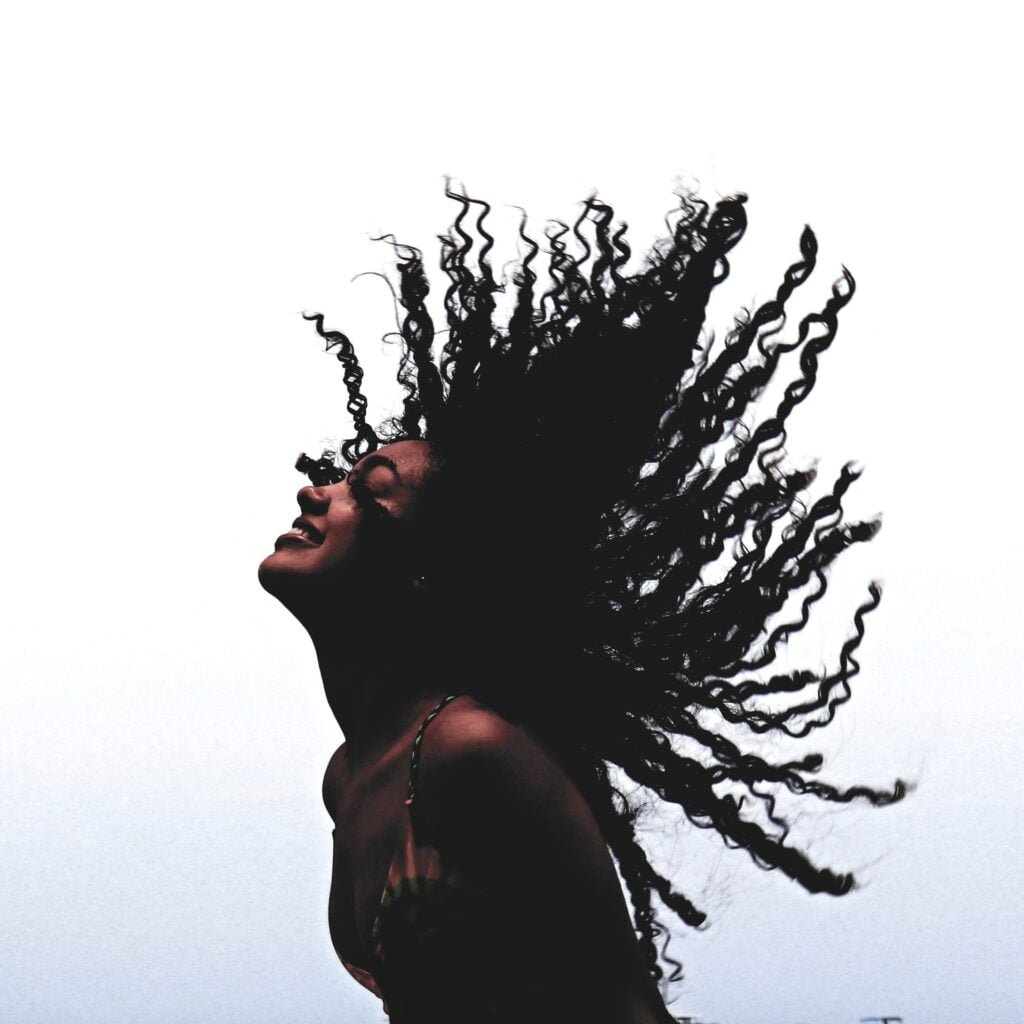
If you prefer to skip heat, there are several reliable options. Braids slept in overnight give soft waves. A heatless curling rod or a soft headband wrap gives rounder curls by morning. Twisting damp, towel-dried hair into small buns also works, although the hair must be fully dry before you take it down.
No-heat styles usually last well on thick hair and need an extra setting spray on fine hair. If you like waves with a braided look, the post on different braiding hair colors has ideas for choosing a shade that suits braided styles.
My pick for beginners is the overnight braid. It costs nothing, carries no risk of burns, and teaches how much wave your hair holds before you invest in a tool.
Protect your hair from damage
The American Academy of Dermatology notes that heat and certain styling habits can damage hair over time, and its guide to styling without damage is worth reading. In practice, that means using the lowest temperature that gets the job done, limiting heat days, and giving hair rest between sessions.
Deep conditioning once a week helps keep ends from splitting. If you want extra volume without heavy styling, the explainer on hair toppers covers another option.
Make curls last longer
Let curls cool completely before touching them, because the shape sets as the hair cools. Finish with a flexible-hold hairspray, and sleep with the hair loosely tied up on a satin pillowcase. In humid weather, use an anti-frizz serum on the ends. I’d refresh day-two curls with a quick spritz of water and a few minutes with a smaller barrel on the front sections only.
Frequently asked questions
What barrel size is best?
Choose a wider barrel for loose waves and a smaller one for tight curls. Medium barrels around one inch suit most lengths.
How can I curl short hair?
Use a smaller barrel or a flat iron, and curl away from the face with fewer turns.
Can I curl hair every day?
It is better to space out heat styling. Alternate with no-heat methods to reduce wear.