

 Veena
When the temperature climbs, natural fabric dresses are often the most comfortable thing in the wardrobe. Fabrics made from plant or animal fibres let air move and absorb moisture, so a dress feels lighter on the skin than many synthetic alternatives. This guide covers the best natural fabrics for summer, the styles that work in heat, how to choose colours, and how to care for each fabric so the dress lasts beyond one season.
Table of Contents
Why natural fabrics suit hot weather
Natural fibres tend to be breathable and good at absorbing sweat, which helps the skin feel cooler and drier on warm days. Synthetic fabrics can trap heat and moisture, so a polyester dress that looks great in the shop can feel sticky by midday. That is the main reason people reach for cotton and linen when summer arrives.
Natural does not automatically mean perfect, though. Some fabrics crease easily, shrink in the wash or need careful care, so it helps to know the trade-offs before buying.
I’d also read the composition label rather than trusting the product name. A dress sold as “linen look” may contain very little actual linen.
The best natural fabrics for summer dresses
Linen: made from the flax plant and used for clothing for thousands of years, as the history of linen shows. It feels crisp, dries quickly and gets softer with every wash. Its one drawback is wrinkles, which many people accept as part of its charm.
Cotton: soft, breathable and easy to wash. Lightweight versions such as voile, lawn and poplin work especially well in heat. Cotton is a good first choice for anyone new to natural fabrics.
Viscose and lyocell: these are made from plant cellulose and sit between natural and synthetic fabrics. They drape beautifully and feel cool on the skin, but they can shrink and weaken when wet, so care labels matter.
Silk: smooth and light, silk suits evenings and special occasions, though it needs gentle care and does not like heavy sweat.
Hemp and ramie: textured and durable fabrics with a similar feel to linen, found in more sustainable collections.
My default recommendation is a cotton-linen blend. I’d choose it because it keeps most of linen’s airiness but creases less, which makes it forgiving on a long day.
Dress styles that work in heat
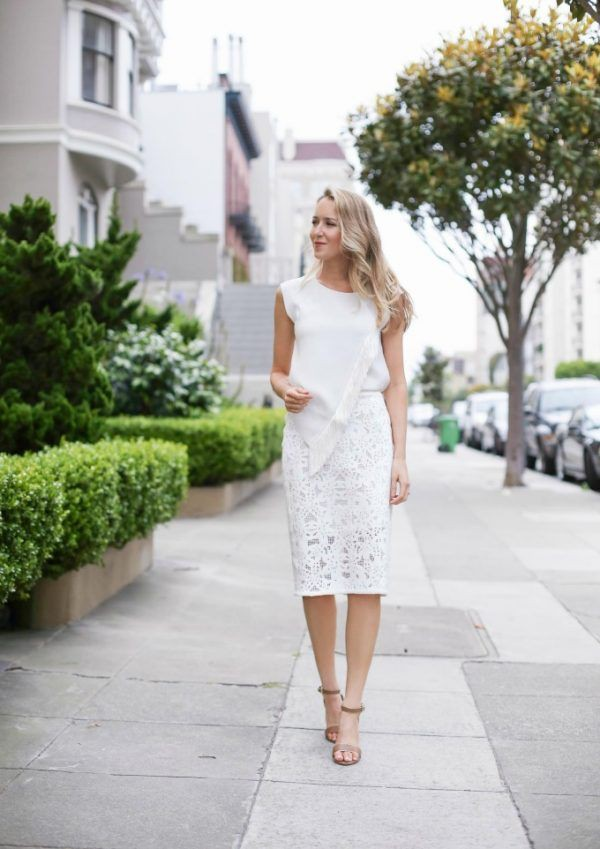
Shape matters as much as fabric. A loose shift dress lets air circulate and needs no ironing of the waist. A wrap dress adjusts to your shape and works from picnic to dinner. A shirt dress with a belt gives structure at work. A tiered maxi keeps the legs covered from the sun, and a simple sundress with straps suits the hottest days.
For a romantic option that still works in cotton, take a look at the prairie dress trend, which blends easily with natural fabrics. For more ideas, the must-have dresses collection is a good place to browse, and the best prairie dress picks show what to look for in a fuller skirt.

Choosing colours and prints
Light colours reflect heat and keep a dress feeling cooler. White, cream, sand and soft pastels are classic summer choices, while earthy shades like olive, terracotta and clay suit linen well. Small prints hide small creases, which helps with fabrics that wrinkle. Darker colours absorb more heat, so I’d keep them for evenings or shaded days.
If the dress is semi-sheer, check it in daylight before buying. A thin slip underneath, or a lined version, solves the problem without adding much heat.
How to style them for different occasions
A natural fabric dress adapts easily. For the day, add flat sandals, a straw bag and sunglasses. For work, throw on a light blazer and loafers. For evenings, a little jewellery and a pair of heeled sandals change the mood completely. If you like mixing traditions, a relaxed cotton look sits well beside the ideas for a kurti and palazzo set in warm weather.
Accessories should stay light. Skip heavy necklaces and thick belts, since they work against the airy feel.
Care tips for natural fabric dresses
Always follow the care label first. As general guidance, wash cotton and linen in cool or warm water and avoid high heat in the dryer, which can cause shrinkage. Wash silk and viscose gently or have them dry cleaned if the label says so. Hang linen to dry while slightly damp and steam it, which is gentler than a hot iron.
Rotate your dresses through the week so no single garment takes all the wear. Store them on wide hangers or folded in a dry, ventilated space, away from direct sun, which can fade colours.
Frequently asked questions
Which natural fabric is coolest in summer?
Linen and lightweight cotton are widely considered the coolest, thanks to their breathable weave and quick drying time.
How do I stop linen from wrinkling so much?
You cannot stop it fully, but hanging the dress straight after washing and steaming it makes a big difference.
Are natural fabrics more expensive?
Often, yes, but they usually last longer and feel better in the heat. I’d buy fewer pieces and choose better ones.


